The ongoing Russia–Ukraine war has seen fresh developments on both the battlefield and the international sporting stage, highlighting how the conflict continues to shape global politics, military realities, and cultural debates.
Russia’s defence ministry has claimed that its forces captured the rural settlement of Zaliznychne in the southeastern Zaporizhzhia region. The claim, reported by Russian state sources, has not been independently verified, and Ukrainian officials have not confirmed the development at the time of reporting. The Zaporizhzhia front remains one of the key areas of fighting, with both sides frequently reporting advances and counterclaims as the war continues with no immediate resolution in sight.
The broader conflict remains volatile, with continued attacks reported across several regions and warnings from officials on both sides suggesting that peace negotiations remain distant. Military analysts note that control of smaller settlements can carry strategic importance, particularly in areas where supply routes and defensive positions influence larger operations.
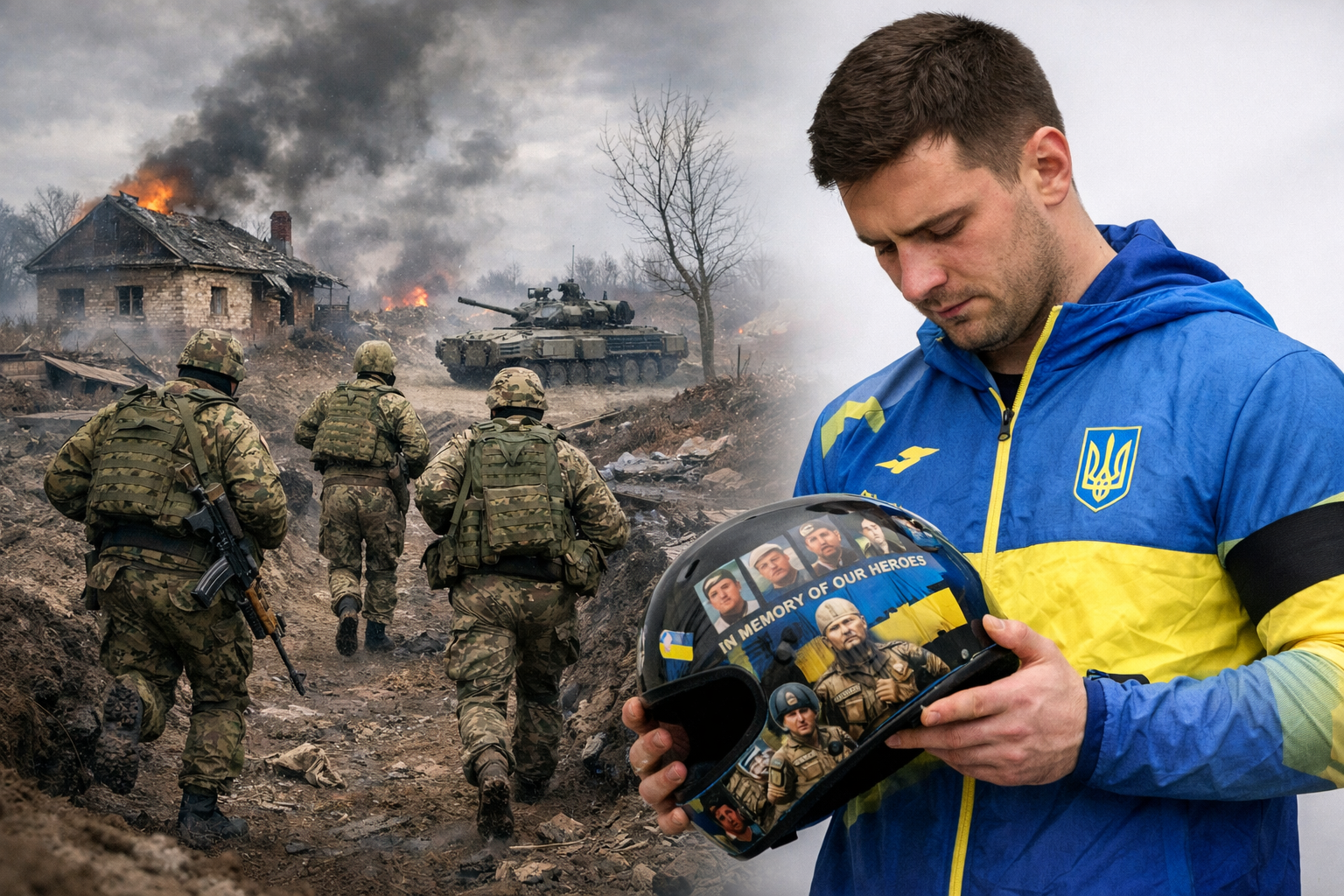
Meanwhile, the war has also spilled into the world of international sports, triggering controversy at the Winter Olympics. Ukrainian skeleton athlete Vladyslav Heraskevych was barred by the International Olympic Committee (IOC) from wearing a helmet featuring images of Ukrainian athletes killed during the war. The IOC stated that the helmet violated rules prohibiting political demonstrations during Olympic competition, although the athlete was permitted to wear a black armband as a compromise.
The decision sparked strong reactions in Ukraine, with officials arguing that honoring fallen athletes should be viewed as an act of remembrance rather than political messaging. Ukraine’s prime minister described the ruling as “profoundly wrong,” reflecting the emotional and symbolic weight the issue carries amid ongoing losses caused by the conflict.
The parallel developments underline how the war’s impact extends beyond the battlefield, influencing diplomacy, sports, and global public opinion. As military operations continue and international institutions struggle to balance neutrality with humanitarian sentiment, the conflict remains a defining geopolitical issue with far-reaching consequences.
For now, both the situation on the frontline and the debates unfolding off it demonstrate that the war’s effects are being felt across multiple spheres from contested villages in eastern Europe to the global stage of international sport.