
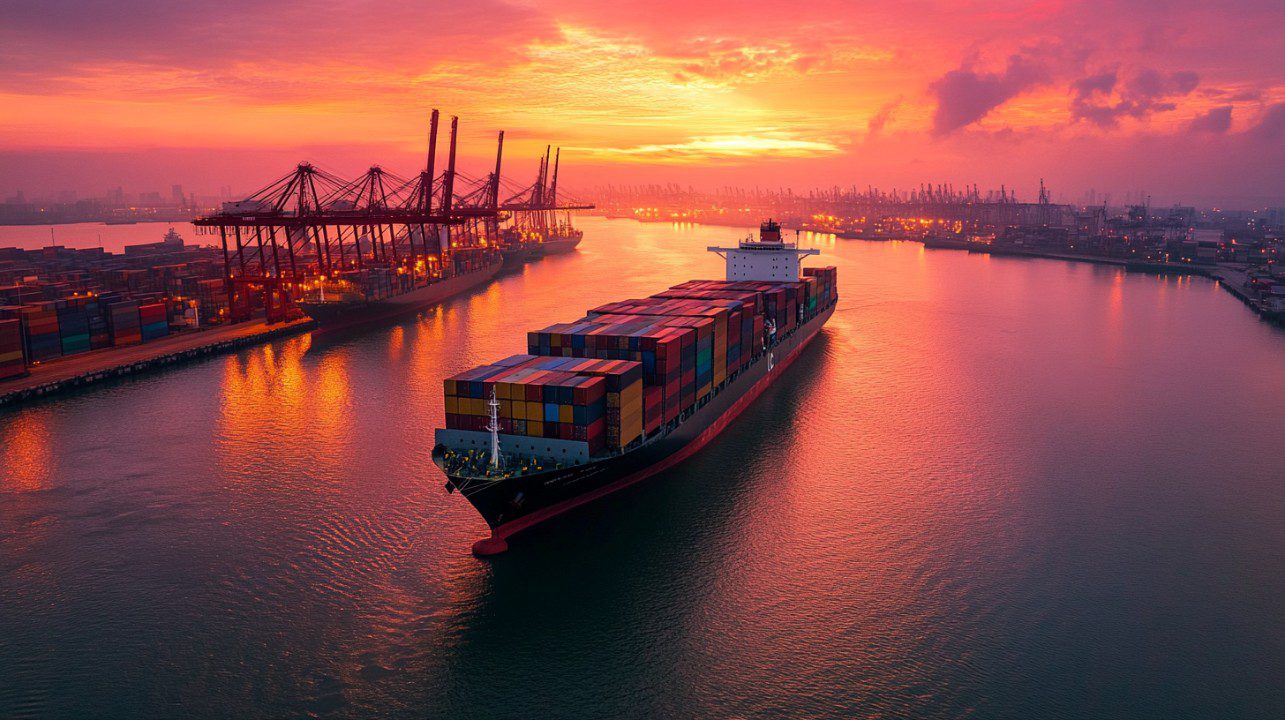
India’s merchandise trade deficit widened sharply in January, reaching a record high of $34.68 billion, largely driven by a surge in gold imports that outweighed otherwise stable export performance. The data highlights the structural challenges in India’s trade balance, where strong domestic demand and investment patterns can quickly offset gains made in manufacturing and exports.
Gold Imports Drive the Deficit Spike
The primary factor behind the widening deficit was a sharp increase in bullion imports. Gold imports more than tripled during the month, reflecting both rising global prices and increased domestic demand for gold as an investment asset. A growing shift toward financial products linked to gold, such as exchange-traded funds, has also contributed to higher physical imports, as these instruments require underlying gold holdings.
This trend underscores a recurring feature of India’s trade dynamics — during periods of economic uncertainty or inflation concerns, gold demand rises, placing pressure on the import bill and widening the trade gap.
Exports Show Stability but Lack Momentum
Exports declined modestly during the month, with shipments to the United States — India’s largest export market — registering a sequential fall. While sectoral performance remained mixed, strong growth in engineering goods and electronics exports indicates ongoing progress in India’s manufacturing and export diversification strategy.
However, weaker petroleum product exports, influenced by softer global prices and demand, limited overall export growth. This highlights India’s continued exposure to external demand cycles and commodity price movements.
Broader Trade Trends Remain Uneven
For the April–January period, exports registered modest growth while imports rose at a faster pace, keeping the overall trade deficit elevated. The continued rise in gold imports over the financial year reinforces concerns about structural imbalances between consumption-driven imports and export-led growth.
At the same time, moderation in oil imports provided partial relief, preventing an even larger widening of the deficit.
Services Sector Provides Critical Cushion
India’s services sector once again played a stabilising role. Strong services exports generated a significant surplus, helping offset part of the merchandise trade deficit. The sustained performance of IT, business services, and other service exports continues to be a key strength in India’s external sector.
Policy Outlook and External Factors
The easing of US tariffs in the coming months could support export recovery, particularly for sectors sensitive to price competitiveness. Ongoing trade negotiations with the United States also indicate efforts to reduce market access barriers and stabilise export demand.
Despite short-term volatility, the government remains optimistic about achieving record overall export levels for the fiscal year, supported by services growth and improving manufacturing output.
Analysis: Structural Challenge or Temporary Spike?
From an analytical perspective, the latest data reflects both cyclical and structural factors. The spike in gold imports appears partly temporary, driven by investment demand and price movements, but it also highlights India’s long-standing dependence on bullion imports. Meanwhile, the growth in engineering and electronics exports signals gradual progress toward a more diversified export base.
The key challenge ahead lies in sustaining export competitiveness while managing import-heavy consumption trends. How India balances domestic investment demand with external trade stability will remain central to its economic outlook in the coming quarters.







Leave a Reply