
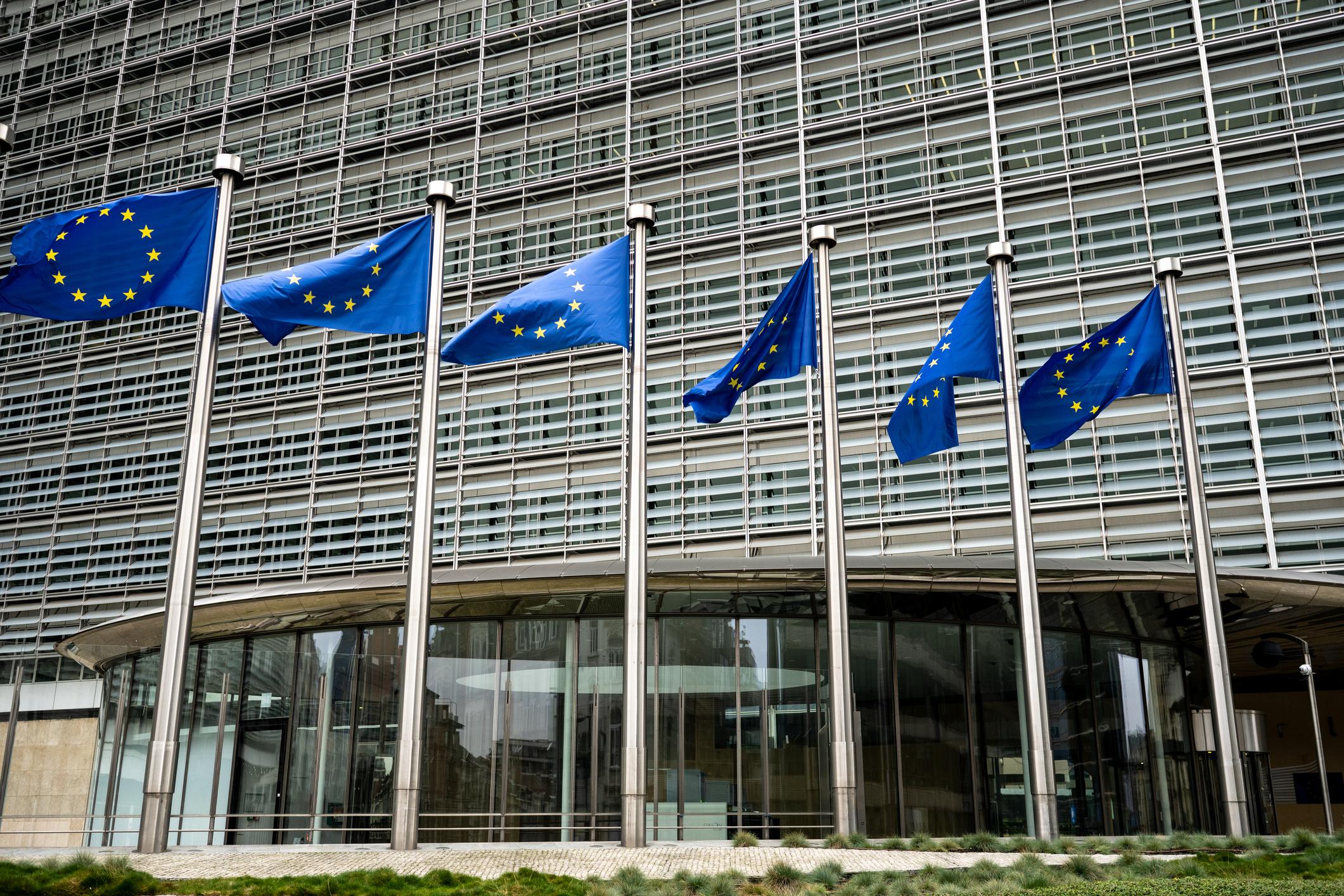
European Union efforts to impose a new round of sanctions on Russia have hit a roadblock after Hungary opposed the proposed package. The sanctions, aimed at limiting Russia’s “shadow fleet” operations and reducing its energy revenues, were expected to mark the fourth anniversary of Russia’s invasion of Ukraine. However, EU foreign policy chief Kaja Kallas acknowledged that progress is unlikely in the immediate term.
EU foreign ministers met in Brussels to discuss what would be the bloc’s 20th sanctions package. But Hungary signaled it would block the plan unless Russian oil deliveries to Hungary resume. Budapest has also threatened to obstruct a major EU loan intended to support Ukraine.
Hungarian Prime Minister Viktor Orbán accused Ukraine of deliberately disrupting oil flows to Hungary, describing it as a “Ukrainian oil blockade” orchestrated by President Volodymyr Zelenskyy. Oil shipments through the Druzhba pipeline to Hungary and Slovakia have reportedly been disrupted since late January due to alleged drone attacks, further escalating tensions between Hungary and Ukraine.
Orbán’s firm stance comes at a politically sensitive time, as Hungary approaches national elections in less than two months. His government has intensified criticism of Ukraine and accused the opposition Tisza party of aligning with the EU and Kyiv. Critics within the EU, including Poland’s Foreign Minister Radosław Sikorski, suggested Hungary’s move may be motivated more by domestic political considerations than by solidarity with Ukraine.
Despite Hungary’s position, other EU leaders reaffirmed their commitment to supporting Ukraine. Latvia’s Foreign Minister Baiba Braže emphasized the importance of advancing the sanctions package, while Germany’s Foreign Minister Johann Wadephul called for unity and strength within the EU. Germany also stressed the need to move forward with a proposed €90 billion loan to help Ukraine meet its military and economic needs.
As the war enters its fifth year, the EU faces growing pressure to maintain unity while balancing internal political differences among member states.




Leave a Reply